I dashur lexues,
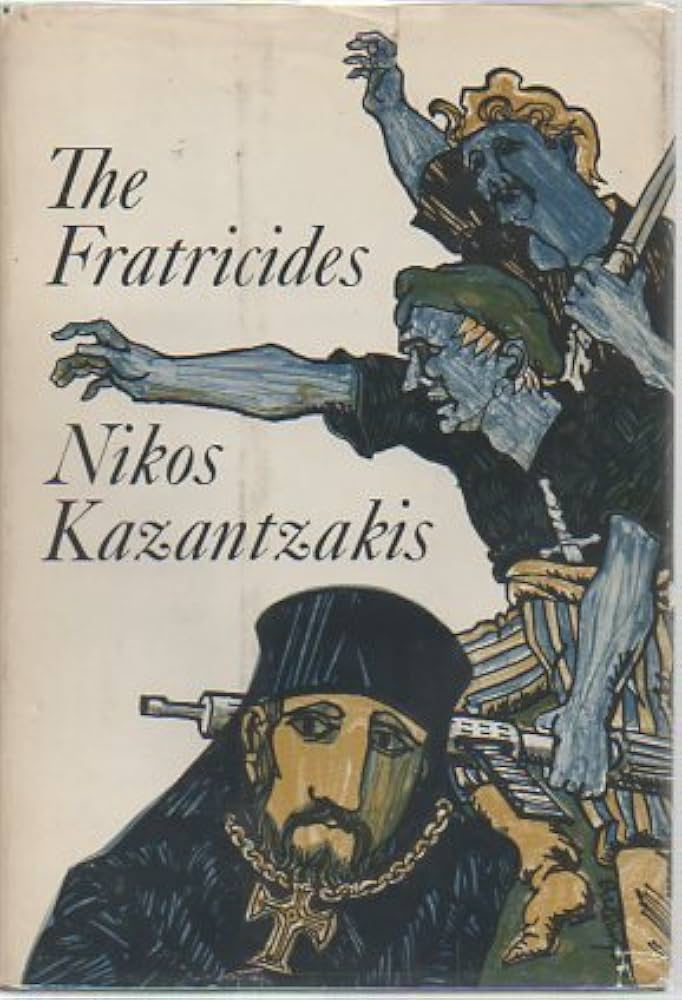
Në këtë fragment të shkëputur nga libri The Fratricides, Nikos Kazantzakis, godet me fshikull hipokrizinë e klerit që Zotin e ka mbyllur brenda mureve të larta të manastireve për t’i shërbyer rehatisë së vet. Përmes figurës rebeluese të Atë Janaros, autori demaskon murgjit e ‘dhjamur’ që kanë projektu një Krisht sipas shëmbëlltyrës së tyre: një figurë pasive, dembele dhe parazite. Kjo nuk është thjesht një bisedë mes priftërinjsh, por një thirrje e zjarrtë për ta nxjerrë krishtërimin nga zgjojet pa mjaltë dhe për ta kthyer aty ku e ka vendin, mes dhimbjes, luftës dhe të vërtetës njerëzore. Një leksion i ashpër për të gjithë ata që sytë, veshët dhe zemrat i kanë të zënë prej dhjamit.
Lexim të këndshëm 🙂
Nji ditë, megjithatë, ai s’mundi me ndenjë ma në heshtje; dy murgj prej nji manastiri aty afër ndaluan me e vizitu. Atë Janaro i priti në qelën e tij. Ata vinin erë temjan, hudhër e vaj i rreshkun saqë priftit iu desh me e hapë dritaren me u ajros vendi. Ai s’donte me folë, po murgjit ishin në qejf për bisedë. Njani prej tyne ishte nji dhelpen e vjetër, me faqe kuqalashe, me nji bark të majmë e nji mjekërr që i derdhej lumë. Tjetri ishte nji djalosh me ftyrën plot puçrra, me nji mjekërr të rrallë, sy tradhtarë dhe që i merrej goja. Murgu i vjetër i kryqëzoi duart mbi bark e foli me nji ton të rreptë, si me dashtë me e qortu priftin.
“Kam dëgjue se ke kenë në Malin Athos, Atë Janaro. Pse e le vetminë e shenjtë e u ktheve ndër njerëz? Nëse mundem me e ditë, pse?
Sytë e Atë Janaros shkrepën. “Vetmi e shenjtë?” Ai e mblodhi grushtin tek flise. “E çka me ba në atë vetmi të shenjtë, i ndritun? Manastiret sot s’janë veçse zgjoje plot me dregëza; ata s’bajnë ma mjaltë. Kësaj i thoni ju asketizëm? Krishterim? A asht kjo ajo çka don Krishti? Jo, Jo! Sot me u lutë do me thanë me vepru. Me kanë asket sot asht me jetu mes njerëzish, me u përleshë, me u ngjitë në Golgotë bashkë me Krishtin e me u kryqëzu përditë. Përditë, jo veç të Premten e Madhe!
U mundue me u nalë, po që vonë goja i ishte hapë e bashkë me të edhe zemra e tij. Ai i vështroi me ngulm dy murgjit e tundi kryet.
“Më erdhi marre me jetue vetëm, i shkretuem, larg njerëzve. Jo, s’e desha këtë. Mundohuni me më marrë vesh, o Etën, më erdhi marre. S’dua me kenë nji gur i pavlerë anës rrugës. Dua me u ndërtue në nji godinë bashkë me gurët e tjerë.”
“Çfarë godine? S’po marr vesh,” belbëzoi murgu me fytyrë me puçrra.
“Çfarë godine? Greqinë, Krishtërimin – si mund ta shpjegoj? Nji godinë e madhe, nji ndërtesë, Zoti!“
“Kjo asht arrogancë,” tha murgu i vjetër ndëesa shqiti duart e mbledhuna prej barkut të tij. “Kjo,” u përgjigj Atë Janaro me nji hov mllefi, “Kjo, Atë i shenjtë, njihet si ndjekja e shembullit të Krishtit. Siç e dini, Krishti qëndroi në shkretëtirë veç dyzet ditë. Masnandej Ai zbriti prej majës së vetmisë, u urit, ndjeu dhimbje, u përpoq bashkë me njerëzit e u kryqëzue. çka asht atëherë detyra e të krishtenit të vërtetë? Po e them e po e përsëris: me ndjekë shembullin e Krishtit këtu mbi tokë.“
“Po ne?” belbëzoi përsëri i riu.
Po Atë Janaro s’e dëgjoi. Ishte i tërbuem, po digjej prej zemërimit. “Kam pa aq shumë pandershmëri, hipokrizi e rrena si te laikët ashtu edhe te kleri. S’mundem me heshtë ma! Ndonjiherë – më faltë Zoti – shpirti im bahet nji thupër e zjarrtë që do me e kallë botën, tue ia nisë prej manastireve.”
“Çka të ka ba bota, Atë Janaro, që kërkon me e kallë? Bota asht e mirë, asht vepër e Zotit.”
“Asht vepër e dreqit! Kje vepër e Zotit dikur, po s’asht ma. Pse ju dalin sytë vendit, o Etën? Krishti endet derë me derë, i uritun e i ngrimë, e asnji derë, asnji zemër s’i hapet me i thanë: “Mirë se erdhe, o Zotni, hyr brenda!” Po si mund ta dëgjoni ju Atë? Sytë, veshët e zemrat tuaja janë bllokue prej dhjamit.”
“Le të shkojmë,” tha murgu i vjetër, tue i prekë gjurin të riut me të vetin. “Bota ka shumë tundime. S’duhet me degjue, s’duhet me pa, do të largohemi. Shihni, Atë Janaro e hapi gojën, e pa e kuptue, blasfemoi. Pse? Sepse po jeton në botën e njerëzve – në mbretninë e fundimit!“
“Le të ikim,” përsëriti murgu i ri me atë zanin e tij të hollë e që merrej. “Muret e manastirit janë të nalta e tundimi s’mundet me hy.”
“Vërtëtë, Etër të shenjtë, për hatër të Zotit kini shumë kujdes.”
Atë Janaro qëshi e qela e vogël u drodh. “Po ju tregoj nji përrallë, që s’asht përrallë. Ishte njiherë nji manastir që kishte treqind murgj, e secili murg kishte tri karroca e tre kuaj. Nji kalë ishte i bardhë, tjetri i kuq, i treti i zi. Çdo ditë ata i silleshin manastirit rrotull që me e ndalue Satanain me hy brenda. Në mëngjes merrnin kuajt e bardhë, në mesditë të kuqtë, e natën të zinjtë. Po djalli mori trajtën e Krishtit e hyri brenda.”
“Të Krishtit?“, bërtitën murgjit e goditën kofshët e tyne. “Atë Janaro, kjo asht blasfemi!“
“Po, trajtën e Krishtit! thirri Atë Janaro tue i ra tryezës me grusht. “Të atij Krishti që keni ba ju murgjit – nji hipokrit, nji përtac, nji grykës! Ju mendoni se ai asht Krishti e ndiqni gjurmët e tij. Ju shkon për shtat, ju hipokritë, ju dembelë, ju parazitë! Po ai s’asht Krishti, o të mjerë, asht djalli që ka marrë trajtën e Tij e u ka hy brenda. Po e them e po e përsëris: Krishti i vërtetë ecën me popullin, përpiqet me ta, kryqëzohet me ta, ringjallet me ta.”
“Jashtë prej këtu!”, turfulloi murgu i vjetër e mblodhi të tana forcat me çue atë barkun e tij të majmë në kambë.
Djaloshi i kcyi në ndihmë: tek e ndihmonte me u ngritë prej karriges, u kthye nga Atë Janaro – “Besoj se na fyeve, o plak,” tha me vner në zë. “Peshkopi kishte të drejtë kur tha se je nji rebel i kishës, që kërkon me ngritë flamurin tand.”
“Po, flamurin tim,” u përgjigj Atë Janaro e sytë i shkrepnin, “e a e di kush asht i pikturuem në atë flamur, Atë i shenjtë?”
“Kush, o rebel?”
“Krishti, me fshikull në dorë! Thuajani këtë peshkopit, thuajani edhe igumenit (prijësi i manastirit) tuaj. Thuajani të gjithë peshkopëve e të gjithë igumenëve të botës. Udhë e mbarë, Etër të shenjtë,” – tha ai e hapi derën; e tashmë s’po qeshte ma.
Atë Janaros iu kujtua gëzimi i atij mëngjesi kur kish rrëshqitë prej Malit Athos pa e pa kush. Dielli shkëlqente fort, si atë ditën e parë që Zoti e krijoi. Maja e bardhë me borë buzëqeshte si nji trandafil në dritën e agimit. Do të thoshte njeriu se Zoti shikonte tokën e qeshte tek shihte këtë mizë të vogël që shkundte pluhurin e malit prej këmbëve e zhdukej shpejt, shpejt mes mirtës e shkurreve.
Atë Janaro e kish ndie erën e ftohtë të lirisë me i fry mbi ballin e tij të ndezun edhe herë të tjera, e kish ndie gëzim të madh. Po gëzimi i këtij mëngjesi nuk kishte shoq; ashtu duhet me u ndie degët e zhveshuna kur pranvera i merr ngrykë. “Sot u linda, sot u linda,” këndonte tek kcente mbi shkurre, e asnjiherë s’u kthye me pa pas manastirin, që tashmë po zhdukej te kthesa e rrugës.
Teksti në anglisht:
One day, however, he could not remain silent; two monks from a nearby monastery stopped to visit him. Father Yanaros received them in his cell. They smelled of incense and garlic and rancid oil, and the priest had to open his window to clear the air. He would not speak, but the monks were in a mood for conversation. One of them was an old, sly fox, with rosy cheeks and a fat belly and a flowing beard. The other was a young man with a pimply face, a thin beard, treacherous eyes, and a lisp. The older monk crossed his hands over his belly and spoke in a severe tone, as though to reprimand the priest.
“I heard you were at Mount Athos, Father Yanaros. Why did you desert holy solitude and return to the world? May I ask why?”
Father Yanaros’ eyes flashed. “Holy solitude?” He clenched his fist as he spoke. “And to do what in holy solitude, your reverence? The monasteries today have become nothing more than beehives full of drones; they don’t make honey any more. You call that asceticism? Christianity? Is this what Christ wants? No, no! today prayer means deeds. To be an ascetic today is to live among the people, to fight, to climb Golgotha with Christ, and to be crucified every day. Every day, not just on Good Friday!”
He tried to sop, but it was too late; his mouth had opened and with it, his heart. He stared at the two monks and shook his head.
“I was ashamed to live alone, desolate, away from the people. No, I did not want that. Try to understand me, Fathers, I was ashamed. I don’t want to be a useless stone on the edge of the road. I want to be built into an edifice along with other stones.”
“What edifice? I don’t understand,” lisped the pimply-faced monk.
“What edifice? Greece, Christianity – how can I explain it? A large edifice – a building, God!”
“That is arrogance,” the old monk said as he unglued his folded hands from his belly.
“That,” Father Yanaros replied angrily, “that, holy Father, is known as following the pattern of Christ. As you know, Christ remained in the wilderness only forty days. Then He descended from the summit of solitude, He hungered, He pained, He struggled along with the people, and was crucified. What then, is the duty of the true Christian? I say it and I repeat it: to follow the pattern of Christ here on earth.”
“And what about us?” lisped the younger man again.
But Father Yanaros did not hear him. He was infuriated, burning with anger. “I have seen a great deal of dishonesty and hypocrisy and lies in both laymen and the clergy. I can be silent no longer! Sometimes – forgive me, Lord – my soul becomes a flaming rod that wants to burn the world, starting with the monasteries.”
“What has the world done to you, Father Yanaros, that you should want to burn it? The world is good, it’s the work of God.”
“It’s the work of the the devil! It was the work of God once, but not more. Why do your eyes bulge, holy Fathers? Christ roams from door to door, hungry and cold, and not one door, not one heart opens to say to Him, “Welcome, my Lord, come in!” But then how can you possibly hear Him? Your eyes, your ears, your hearts are clogged with fat.”
“Let us go,” the old monk said, nudging the younger monk’s knee with his own. “The world has many temptations. We must not listen, we must not look, we will leave. See, Father Yanaros opened his mouth and without realizing it, he blasphemed. Why? Because he is living in the man’s world – in the kingdom of temptation!”
“Let us go,” the young monk echoed in his high-pitched, lisping voice. “The monastery walls are high, and temptation cannot enter.”
“Indeed, holy Fathers, for heaven’s sake, take extra care.”
Father Yanaros laughed and the small cell rumbled. “I’m going to tell you a tale which is not a tale. There was once a monastery that had three hundred monks, and each monk had three carts and three horses. One horse was white, the other red, the third, black. Every day they circled the monastery to prevent Satan from entering. In the morning they used the white horses, at noon the red ones, at night, the black. But Satan took the form of Christ and entered.”
“Of Christ?” the monks screamed, and slapped their thighs. “Father Yanaros – blasphemy!”
“Yes, the form of Christ!” bellowed Father Yanaros, pounding his fist on the table. “Of Christ, the way you monks have made Him – a hypocrite, an idler, a glutton! You think that, that is Christ, and you follow His footsteps. It suits you well, you hypocrites, you loafers, you parasites!
“But that is not Christ, you poor fools, it is Satan who has taken the form of Christ and entered. I say it and I repat: the real Christ walks with the people, struggles with them, is crucified with them, is resurrected with them.”
“Let’s get out of here,” snarled the old monk, and mustered all his strength to gather his fat bellies and stand up.
The younger man rushed to his aid: as he helped him from his chair, he turned to Father Yanaros. “I believe you have insulted us, old man,” he said with malice in his voice. “The Bishop was right when he said you are a rebel in the church, that you raise your own banner.”
“Yes, my own banner,” Father Yanaros replied, and his eyes flashed, “and do you know who is painted on that banner, holy Father?”
“Who, rebel?”
“Christ, holding a whip! Tell that to the Bishop, tell that to the abbot of your monastery. Tell that to all the bishops and all the abbots of the world. Bon voyage, holy Fathers,” he said and opened the door, and he was not laughing now.
Father Yanaros remembered the joy the morning he slipped from Mount Athos without being seen. The sun was shining brightly, like that first day God had created it. The white snow-capped peak smiled, like a rose in the light of dawn. One would have thought God looked down on earth and smiled as He watched this little ant shake the mountain dust from its feet and disappear quickly, quickly among the myrtles and the bushes.
Father Yanaros had felt the cool wind of freedom blowing on his burning forehead several times before, and he had felt great joy. But the joy of this morning was unmatched; the naked branches must feel this way when spring embraces them.
“Today I am born, today I am born,” he sang as he leaped over the bushes, and not once did he turn to look back at the monastery, which was now disappearing at the bend of the road.

- Via Veritatis

- Via Veritatis
- Via Veritatis
- Via Veritatis