Given the international scope of MED26, the English translation of this article can be found further below on this page.
Si për çdo pjesëmarrës tjetër, edhe për ne të rinjtë kishte ndikimin e vet të ndanim hapësirën me kardinaj, ipeshkvij e artistë nga mbarë Mesdheu, por këtu nuk duhet të harrojmë prezencën e grave, të cilat ishin përfaqësuese të fushave të ndryshme të dijes dhe shkencës.
Kësaj radhe, gratë nuk kishin rolin e dëgjueseve pasive, por luajtën një rol domethënës edhe në konkluzionet përmbyllëse të MED26, për çka duhet ta falënderojmë Atë Alexis Leproux, që duke ecur në hapat e Papa Françeskut, e ka konsideruar të rëndësishëm zërin e grave në Kishë dhe në organizime të tilla që mbledhin së bashku tërë Mesdheun.
Ky artikull vjen pas fiks dy javësh, dhe ende kthimi pas mbart një vello zymtësie, thatësie dhe zbrazëtie. Edhe pas dy javësh, pesha e asaj që kemi lënë pas, pesha e një shoqërie të ndërtuar nxitimthi dhe e njerëzve që tashmë kanë lënë gjurmë të pashlyeshme në historinë dhe identitetin tonë që vazhdon të gdhendet pandërprerë, peshon rëndë mbi supet tona!
Duke tentuar t’i shpëtoj kësaj zymtësie që kërcënon rikthimin në përditshmërinë e Kosovës, ky shkrim nuk tenton dhe nuk mund të jetë një kronikë e ftohtë gazetareske e as administrative; sepse, nëse do t’i lija jashtë përjetimet personale, druhem se artikulli do të mbetej njashtu i zymtë dhe i thatë si kthimi pas në shtëpi.
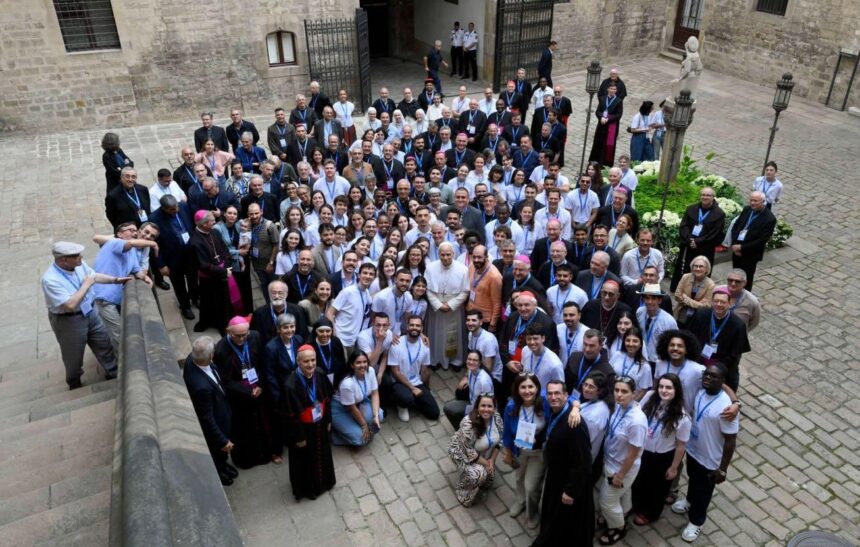
Prandaj, për t’i dhënë këtij rrugëtimi një pasqyrë të qartë dhe për t’i lënë lexuesit një përshtypje të gjallë që nga takimi i parë me tekstin, ky shkrim do të fillojë përmes introspeksionit dhe do të kalojë në dimensionin praktik. Kësisoj, shkrimi nuk pretendon të jetë një raport teknik mbi MED26, i cili bëri bashkë mbi 200 pjesëmarrës të ndarë në pesë rrjete funksionale: Solidariteti, Edukimi, Teologjia, Shenjtëroret dhe Manastiret.
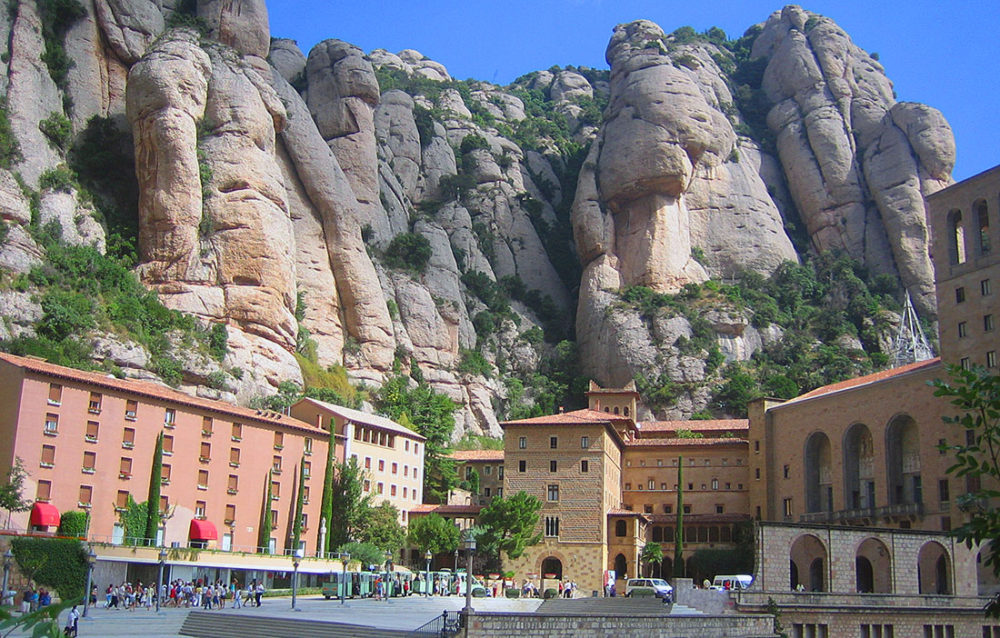
Kohë më parë kisha përkthyer një fragment nga libri shpirtëror i Carlo Carretto-s, “Letra nga shkretëtira” – një tekst që përshkruan rrugëtimin drejt Hyjit jo përmes dogmave e ligjeve, por përmes zhveshjes radikale të egos. Atje, mes shkëmbinjve të Montserratit, ajo pjesë që e kisha përkthyer për ViaVeritatis m’u rikthye si një anamnesis platonike; kujtesa e fjetur u zgjua përmes rimendimit të traditës së asketizmit të krishterë, ndoshta për shkak të ndikimit të fuqishëm të manastirit benediktin Santa Maria de Montserrat:
Sa gjatë duhej të qëndroja nën atë shkëmb?… – Deri sa të jesh i aftë për një akt dashurie, të një dashurie të përsosur. (Carretto, 2018)
Për Carretto-n, ky akt i përsosur i dashurisë përmbushet me flijimin e Jezusit në Kryq, mirëpo vështrimi i tij shkonte përtej kësaj:
Vështrova më tutje dhe kuptova se gjithë ata shkëmbinj të mëdhenj në shkretëtirë nuk ishin gjë tjetër veçse varret e njerëzve të tjerë. Edhe ata ishin gjykuar mbi dashurinë dhe ishin gjetur të ftohtë. (Carretto, 2018)
Pra, të vdekur shpirtërisht.
Nën ata shkëmbinj ku me aq shije estetike është lartësuar manastiri benediktin, nëse dështonim në këtë pikë, ne do të mbeteshim thjesht si gurët e ftohtë të shkretëtirës. Do të mbeteshim varreza shpirtërore të njerëzve që u gjykuan mbi dashurinë dhe u gjetën të ngrirë, të paçliruar nga prangat e “njerëzores”. Janë pra këto pranga që na mbajnë të lidhur aq fort me egoizmin tonë, saqë na pengojnë të shohim përtej vetvetes, na pengojnë të transformohemi.
Ky rrafsh asketik imponoi një purgator të vetëdijes, të paktën për mua. Aty individit i kërkohej të zhvishej nga maskat dhe përfaqësimet e ftohta shoqërore, duke e shpërfaqur Qenien në pastërtinë e saj zanafillore.
Duke menduar për pasazhin që citova më lart, ndjenja që më pushtoi ishte pikërisht kjo: sikur edhe ne do të duhej të qëndronim në shkëmbinjtë e Montserratit derisa të bëheshim të denjë për një udhëtim më të gjatë. Përzgjedhja e këtij manastiri nga organizatorët e kishte bërë efektin e vet, pasi pikërisht aty nisi njohja dhe pranimi i Tjetrit. Kush më pak e kush më shumë, aty u krijuan marrëdhënie miqësore që vështirë se do të zbehen ndonjëherë. Kjo ishte një fazë parapërgatitore për pjesëmarrjen tonë të mëvonshme në seminaret dhe konferencat e Barcelonës, duke qenë se aty u ngjiz ajo ndjesi uniteti dhe bashkëveprimi që ishte edhe pikësynimi kryesor. Kjo hapësirë, siç do ta quante Carretto, u bë “purgatori ynë” – një hapësirë për të medituar mbi veten, mbi Tjetrin dhe mbi komunitetin.
Përderisa njeriu i sotëm nxiton të humbasë brenda zhurmave, të cilat tenton t’i përkthejë në fjalë që nuk kanë më kuptim, ky rrugëtim ishte një ftesë për t’u kthyer te fjala si kuptim. Kjo të fton t’i kthehesh reflektimit të një autori italian, i cili shprehet se:
Fjala në civilizimet antike dhe në kulturat animiste është forcë jetësore: jep forcë. Është mister. Fjala në magji vepron: ‘male-dicere’ sjell fatkeqësi, ‘bene-dicere’ jep guxim dhe lumturi. Fjala nuk duhet të shpërdorohet asnjëherë. Në Krishterim, Fjala ndërhyn në histori dhe bëhet liturgji, krijon pra një kontekst të shenjtë, sakral.
Pikërisht duke tentuar t’i kthehem asaj që përmban kuptim, më kujtua një moment, i distancuar nga protokolli dhe zhurma e debateve zyrtare; një çast ku dikush, me një zë jo shumë të sigurt për peshën e asaj që po thoshte, tha:
Nëse je katolik, ti je Tempulli i Hyjit; Hyji banon brenda teje, ashtu siç banon brenda meje. Ky është misteri dhe kjo është e Bukura e vërtetë!
Ky pohim, i pëshpëritur ndoshta pa vetëdije se që në atë moment po tejkalonte solipsizmin mes nesh, na bënte ontologjikisht të barabartë, për shkak se ndanim të njëjtën hapësirë sakrale. Ai pohim, që në shikim të parë duket si diçka e thjeshtë që mund ta artikulojë çdo besimtar, në fakt e zhvendos rrënjësisht shikimin nga vetja tek Tjetri, sepse siç bëri të qartë edhe Rrjeti i Teologëve në fjalën e tyre përmbyllëse: duhet “të mendojmë për tjetrin dhe përmes tjetrit.”
Por kjo vetëdije kërkonte një akt të përsosur dashurie; kërkonte prej nesh arritjen e konceptit më radikal të krishterë: Agape – një dashuri universale, pa kushte, pa asnjë hije antipatie, rezistence apo kufizimi, e derdhur mbi tjetrin si një zjarr që nuk shuhet. Sepse, nëse motoja e gjithë këtij udhëtimi ka qenë dialogu dhe paqja, si mund të zhvillohen ato në mungesë të dashurisë? Mëkati, siç shprehet Carretto në thelbin e tij filozofik dhe shpirtëror, gjendet pikërisht këtu: te rezistenca ndaj këtij transformimi të brendshëm, te guximi tragjik për t’i thënë “jo” dashurisë.
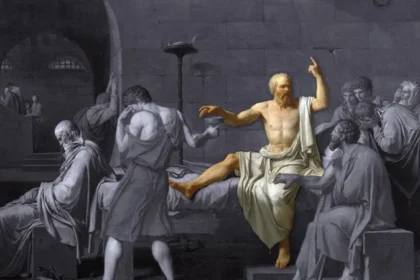
Zhvendosja e MED26 në Barcelonë u shoqërua me Vizitën Apostolike të Papa Leonit XIV dhe moton udhëheqëse “Alça la Mirada” – Ngrije shikimin! Kur fillimisht e dëgjova këtë, m’u kujtua anekdota e famshme e Talesit të Miletit, i cili, me kokën vazhdimisht të kthyer nga qielli duke vrojtuar yjet, bie në një gropë, dhe një grua shkon e i thotë: “Tales, duke shikuar gjërat që janë në qiell, po harron të shikosh atë që është përtokë”.
Kësisoj, “Alça la Mirada” mori një kuptim politik. Duke pasur parasysh sfidat dhe krizat e Mesdheut, motoja në fjalë nuk kishte kuptimin e arratisjes nga realiteti, siç e shohim në rastin e Talesit, por refuzimin radikal të cinizmit të politikës pragmatiste. Politika sot shpesh reduktohet në një menaxhim të ashpër dhe të ftohtë të krizave, që llogarit interesat e pushtetarëve duke e reduktuar qytetarin në numër. Përballë kësaj makinerie teknokratike, MED26 sjell një paradigmë tjetër: takimin e Civitate Dei me Civitas Terrena, ku Kisha është e gjallë në jetën publike, duke luajtur një rol aktiv në mbrojtjen e të drejtave themelore të njeriut dhe duke e mbajtur konceptin e së drejtës të lidhur ngushtë me etikën.
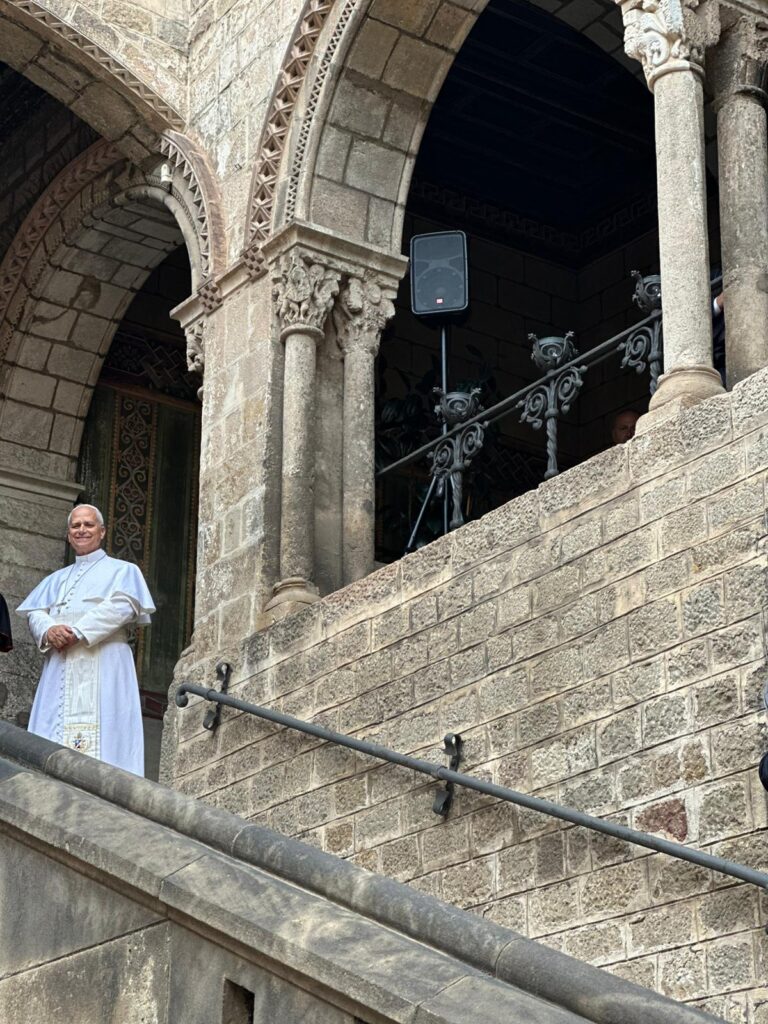
Punimet, të cilat nisën në Generalitat de Catalunya, vazhduan me takimin me Papa Leonin XIV në një audiencë private të pjesëmarrësve të MED26 me Atin e Shenjtë, i cili na u drejtua me këto fjalë:
Bota i ka sytë nga Mesdheu dhe veçanërisht nga Lindja e Mesme, por janë të shumta sfidat që kemi përpara, sepse shpeshherë njerëzit nuk duan ta respektojnë njëri-tjetrin, ta dëgjojnë njëri-tjetrin, të hyjnë në dialog, por përkundrazi, nisin lufta. Ata luftojnë kundër njëri-tjetrit sepse konceptet e rreme mbi sigurinë sjellin konkurrencë, e kjo krijon situata dhune, shtypjeje dhe padrejtësie të madhe.
Prandaj, përpjekjet që keni nisur tashmë prej disa kohësh, me çdo ditë që kalon, bëhen gjithnjë e më jetike. Dhe unë sigurisht që ju jam personalisht mirënjohës, e besoj se mbarë Kisha ushqen të njëjtën mirënjohje për atë çka ju përfaqësoni. Ju inkurajoj të vazhdoni të bëni këto përpjekje sublime me gjithë sakrificat e shumta e pavarësisht vështirësive, për t’i dëshmuar botës rreth nesh se ekziston një rrugë më e mirë, dhe se së bashku mund të ndërtojmë një botë më të mirë.
Sepse së bashku, nëse besojmë, nëse ulemi e bisedojmë me njëri-tjetrin dhe nëse kthejmë sytë nga pasuria e madhe e diversitetit tonë, në vend që të përçahemi apo të krijojmë ndarje, do të kuptojmë se pikërisht në diversitet mund të jemi vërtet të bashkuar. Kështu që, Zoti ju bekoftë të gjithëve! Ju faleminderit për dëshminë që jepni dhe dëshiroj që Zoti t’ju forcojë e t’ju ndriçojë të gjithëve, duke e shndërruar këtë nismë në një prej atyre mundësive të mëdha që Mesdheu dhe bota të kenë ndërtues të paqes, promovues të pajtimit dhe rrezatues të një harmonie të vërtetë mes njerëzve. Ju faleminderit shumë.
Pas kësaj Papa Leoni na ofroj mundësinë që secili ta përshëndetnim nga afër dhe sipas mundësisë të bënim ndonjë bisedë të shkurtër me të.
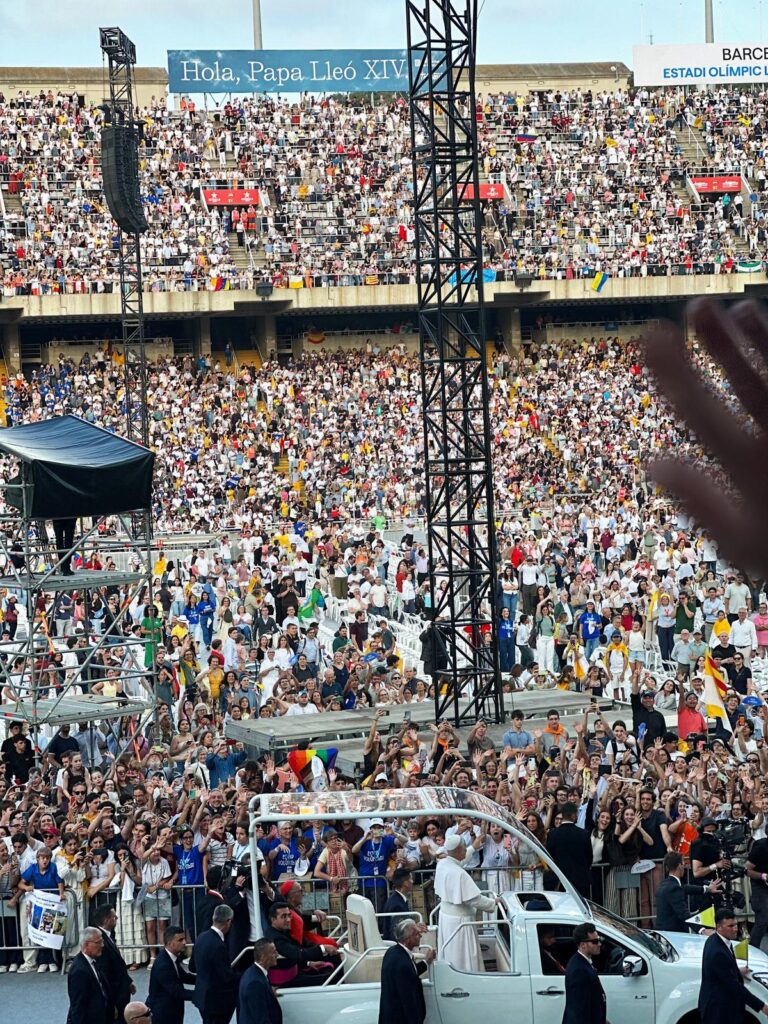
MED26, kishte vërshuar rruget e Barcelones po atë mbrëmje të 9 qershorit duke u drejtuar drejt Stadiumit Olimpik ku 60 mijë njerëz po e prisnin pjesëmarrjen e Papa Leonit XIV.
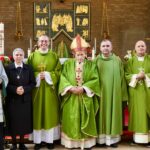
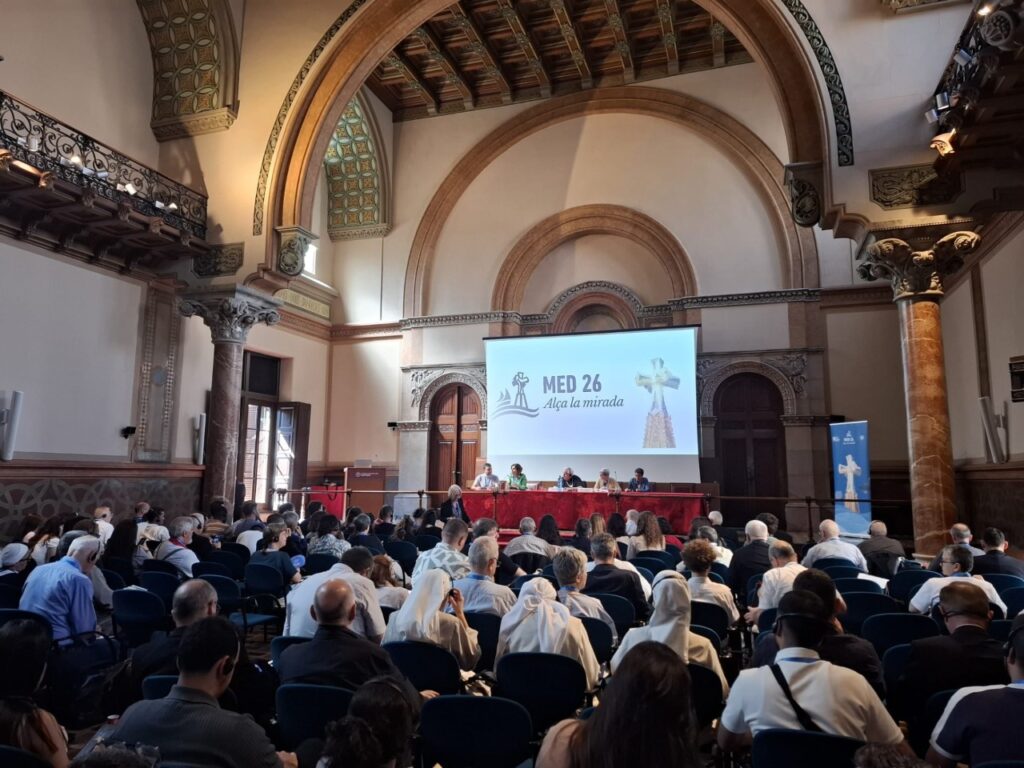
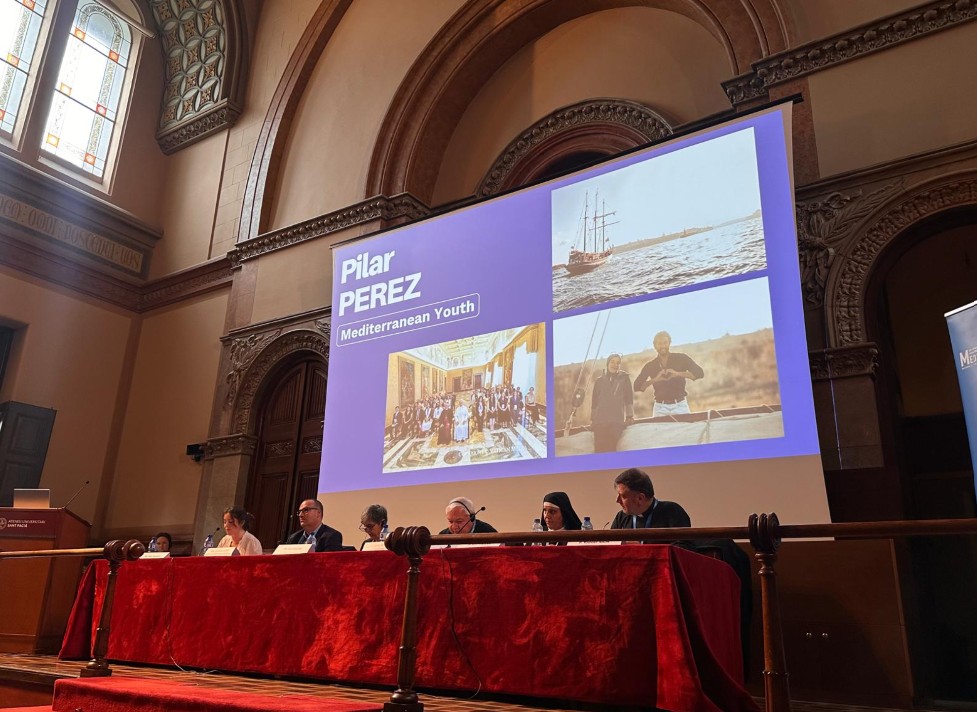
Takimet e njëpasnjëshme me autoritetet civile të Katalonisë, fjalimet e personaliteteve të politikës evropiane dhe prania e figurave të larta të Kuries Romake si Kardinali George Koovakad (Prefekt për Dialogun Ndërfetar) dhe Argjipeshkvi Flavio Pace që është Sekretar i Dikasterit për Ekumenizëm, në të njëjtat tryeza pune me pjesëmarrësit laik treguan që Kisha refuzon mbylljen e saj brenda mureve.
Gjatë diskutimeve, në tryezavt e punës në mjediset e Seminari Conciliar de Barcelona nuk ishim brenda rregullave protokollare, aty nuk kishte marrëdhënie tradicionale të pushtetit, duke jetësuar atë që Hannah Arendt e quan “hapësira e shfaqjes” (space of appearance) ku secili qoftë laik, qoftë kardinal e zbulonte veten para të tjerëve. Në këtë hapësirë të karakterizuar nga një njohje e ndërsjellë dhe autoritet i barabartë moral gjatë diskutimeve mbi vështirësitë e shteteve tona, Kosova u trajtua si shtet në krizë me pasoja të njëpasnjëshme nga krizat e elektorale, poashtu u prek edhe çështja delikate e Kishës Katolike dhe konvertimet e viteve të fundit.
Atë Antonio në fjalën e tij përmbyllëse propozoi: dëgjimin aktiv. Ky dëgjim kapërcen dimensionin thjesht funksional dhe kthehet në një detyrim etik: t’i bësh vend Tjetrit brenda teje, duke u dhënë zë dhe përfaqësim grupeve që strukturat aktuale të Mesdheut tentojnë t’i ngulfatin: të pambrojturve, emigrantëve dhe të harruarve.
Kërkesat e MED26 nuk mbeten abstrakte; ato u përkthyen në propozime konkrete politike dhe kishtare ditën e punimeve përfundimtare më 12 qershor, ku u kërkua zyrtarisht nga Ati i Shenjtë mbledhja e një Sinodi për Mesdheun që vendos dinjitetin e personit dhe sfidat e migrimit në qendër të vemendjes.
Më duhet të përmend edhe konkluzionet e organizatoreve Alessia dhe Aurora të cilat, ndër të tjera, riaktualizuan kompleksitetin e individit duke u shprehur se marrëdhëniet njerëzore nuk mund të thjeshtohen në kalkulime pragmatike; njeriu ka nevojë të pranohet në tërësinë e tij kulturore, qoftë përmes traditës, muzikës, kinematografisë dhe leximit kështuqë të arrijë te një vetëkuptim i saktë ekzistencial.
Përballja me epokën e teknologjisë u lexua përmes enciklikës së Papës Leon XIV, “Magnifica Humanitas”. Shqetësimi i ngritur nga artistët pjesëmarrës lidhur me rrezikun e reduktimit të qenies njerëzore në një “profil virtual të vetmuar” shpërfaq krizën e tjetërsimit bashkëkohor. Kjo krizë e shndërron pyetjen: “Prej nga po vijmë dhe ku po shkojmë?” në një problematikë urgjente të dinjitetit njerëzor. Përgjigja e artikuluar nga MED26 ishte sinodaliteti apo angazhimi për të “ecur bashkë”, duke refuzuar rënien e këtij rrugëtimi në një rutinë të vdekur burokratike.
Në fjalimet e tyre përfundimtare, Kardinali Omella riaktualizoi imperativin e Shën Gjon Palit II “Mos kini frikë!”, duke vazhduar me thirrjen: “Mos e lini askënd t’ua vjedhë shpresën” si një qëndrim kundër humbjes së shpresës politike. Ndërkaq, Kardinali Jean-Marc Aveline sjelli në tryezë termin e ëmbëlsisë:
Ëmbëlsia shprehet përmes shpërfaqjes së çdo personi të vetëm. Ata që duan të shkatërrojnë paqen dhe të mbjellin luftë, tentojnë pikërisht të na e heqin këtë ëmbëlsi nga kujtesa, duke e zëvendësuar atë me trauma dhe kujtime të dhimbshme.
Ky pohim zbulon mekanizmin e dhunës historike: ajo operon gjithmonë përmes fshirjes së kujtesës së të mirës (ëmbëlsisë) dhe zëvendësimit të saj me traumën e përhershme që bllokon projektimin e së ardhmes.
Vështirësia për ta mbrojtur këtë ëmbëlsi filloi nga dita e shtunë, 13 qershor, që për disa shënjon tashmë datën e kthimit në shtëpi pas një rrugëtimi intensiv i cili nuk ka mundur të përmbledhet plotësisht në një artikull të vetëm, prandaj ata pjesëmarrës në MED26 e dinë që shumë gjëra janë lënë jashtë por ato tashmë banojnë në kujtesën e secilit prej nesh.
Tundimi më i madh është që pas kësaj përvoje të biem në konformizëm, në atë që Carlo Carretto do e quante “ftohje shpirtërore“, një rehati e cila na ofron bashkëjetesë me harresën në përditshmërinë tonë. Përballë kësaj, dhe krejt në fund, me plot dëshirë e rikthej vëmendjen tek fjalia e famshme e Papa Benediktit XVI:
Bota ju ofron rehati. Por ju nuk jeni bërë për rehati; ju jeni bërë për madhështi.
Shënime:
Citatet e personaliteteve të Kuries Romake, autoriteteve kishtare dhe pjesëmarrësve të tjerë në këtë tekst janë shpërgatitur dhe përkthyer drejtpërdrejt nga fjalimet e tyre origjinale gjatë punimeve të sesionit MED26 në Montserrat dhe Barcelonë (5–14 qershor 2026).
https://www.vatican.va/evangelii-gaudium/en/files/assets/basic-html/page41.html
https://archive.org/details/LettersFromTheDesert/page/2/mode/2up
https://www.vatican.va/content/leo-xiv/en/encyclicals/documents/20260515-magnifica-humanitas.html
Between the Asceticism of Montserrat and the Polis of Barcelona: MED26
As with every other participant, for us young people as well, sharing the space with cardinals, bishops, and artists from across the Mediterranean had its own profound impact, yet here we must not forget the presence of women, who were representatives of various fields of knowledge and science.
This time, women did not play the role of passive listeners but instead held a significant role even in the concluding observations of MED26, for which we must thank Father Alexis Leproux, who, walking in the footsteps of Pope Francis, has considered the voice of women vital within the Church and in such gatherings that bring the entire Mediterranean together.
This article comes exactly two weeks later, and yet the return back still carries a veil of gloom, dryness, and emptiness. Even after two weeks, the weight of what we left behind; the weight of a society built in haste and of people who have already left an indelible mark on our history and identity, which continues to be continuously sculpted – weighs heavily upon our shoulders!
Attempting to escape this gloom that threatens the return to the daily reality of Kosovo, this piece of writing does not intend to be, nor can it be, a cold journalistic or administrative chronicle; for if I were to leave out personal experiences, I fear the article would remain just as bleak and dry as the journey back home.
Therefore, to provide a clear reflection of this journey and leave the reader with a vivid impression from their very first encounter with the text, this piece will begin through introspection and transition into the practical dimension. Thus, the text does not claim to be a technical report on MED26, which brought together over 200 participants divided into five functional networks: Solidarity, Education, Theology, Sanctuaries, and Monasteries.
Some time ago, I translated a fragment from Carlo Carretto’s spiritual book, Letters from the Desert – a text that describes the journey toward God not through dogmas and laws, but through the radical stripping away of the ego. There, among the cliffs of Montserrat, the passage I had translated for ViaVeritatis returned to me like a Platonic anamnesis; the dormant memory was awakened through the rethinking of the tradition of Christian asceticism, perhaps owing to the powerful influence of the Benedictine monastery of Santa Maria de Montserrat:
How long did I have to stay under that rock?… – Until you are capable of an act of love, of a perfect love.” (Carretto, 2018)
For Carretto, this perfect act of love is fulfilled by the sacrifice of Jesus on the Cross, yet his gaze extended beyond this:
I looked further and realized that all those great rocks in the desert were nothing but the graves of other people. They too had been judged on love and were found cold.” (Carretto, 2018)
That is to say, spiritually dead.
Under those cliffs where the Benedictine monastery is elevated with such aesthetic taste, if we failed at this point, we would remain merely like the cold stones of the desert. We would remain spiritual graveyards of people who were judged on love and found frozen, unliberated from the shackles of the “human.” It is precisely these shackles that bind us so tightly to our own egoism, preventing us from seeing beyond ourselves, preventing us from transforming.
This ascetic plane imposed a purgatory of consciousness, at least for me. There, the individual was required to strip away the cold social masks and representations, manifesting Being in its primordial purity.
Reflecting on the passage I quoted above, the feeling that overwhelmed me was precisely this: as if we too would have to remain on the cliffs of Montserrat until we became worthy of a longer journey. The selection of this monastery by the organizers had achieved its intended effect, since it was precisely there that the recognition and acceptance of the Other began.
Some people more, some less, forged friendly relationships there that will hardly ever fade. This was a preparatory phase for our subsequent participation in the seminars and conferences of Barcelona, given that it was there that the sense of unity and collaboration, which was the primary goal – was conceived. This space, as Carretto would call it, became “our purgatory” a space to meditate upon oneself, upon the Other, and upon the community.
While contemporary man rushes to lose himself within noises, which he attempts to translate into words that no longer possess meaning, this journey was an invitation to return to the word as meaning. This invites you to return to the reflection of an Italian author, who states:
The word in ancient civilizations and in animist cultures is a vital force: it gives strength. It is a mystery. In magic, the word acts: ‘male-dicere’ brings misfortune, ‘bene-dicere’ grants courage and happiness. The word must never be squandered. In Christianity, the Word intervenes in history and becomes liturgy, thus creating a holy, sacral context.”
Precisely in attempting to return to that which contains meaning, I recalled a moment, distanced from protocol and the noise of official debates; a moment where someone, with a voice not entirely certain of the weight of what they were saying, said:
If you are Catholic, you are the Temple of God; God dwells within you, just as He dwells within me. This is the mystery and this is the true Beauty!”
This assertion, whispered perhaps without realizing that at that very moment it was transcending the solipsism between us, made us ontologically equal because we shared the same sacral space.
That statement, which at first glance seems like something simple any believer might articulate, radically shifts the gaze from the self to the Other, because as the Network of Theologians made clear in their closing remarks: we must “think of the other and through the other.”
But this awareness required a perfect act of love; it required us to achieve the most radical Christian concept: Agape – a universal, unconditional love, free from any shadow of antipathy, resistance, or limitation, poured out upon the other like an unquenchable fire.
For if the motto of this entire journey has been dialogue and peace, how can they develop in the absence of love? Sin, as Carretto expresses in its philosophical and spiritual essence, is found precisely here: in the resistance to this internal transformation, in the tragic courage to say “no” to love.
The relocation of MED26 to Barcelona was accompanied by the Apostolic Visit of Pope Leo XIV and the guiding motto “Alça la Mirada” – Lift up your gaze! When I first heard this, I was reminded of the famous anecdote of Thales of Miletus, who, with his head constantly turned toward the sky observing the stars, falls into a pit, and a woman approaches and tells him: “Thales, by looking at the things that are in the sky, you are forgetting to look at what is on the ground.”
Consequently, “Alça la Mirada” acquired a political meaning. Given the challenges and crises of the Mediterranean, the motto in question did not mean escaping from reality, as we see in the case of Thales, but rather the radical rejection of the cynicism of pragmatist politics.
Politics today is frequently reduced to a harsh and cold management of crises, calculating the interests of those in power while reducing the citizen to a mere number. Face to face with this technocratic machinery, MED26 brings forth a different paradigm: the encounter of Civitate Dei with Civitas Terrena, where the Church is alive in public life, playing an active role in defending fundamental human rights and keeping the concept of law tightly bound to ethics.
The proceedings, which began at the Generalitat de Catalunya, continued with the meeting with Pope Leo XIV in a private audience of the MED26 participants with the Holy Father, who addressed us with these words:
The world is looking at the Mediterranean and specifically at the Middle East, but there are so many challenges that we have before us because oftentimes people don’t want to respect one another, to listen to one another, to enter into dialogue, but rather they start wars. They battle against one another because the false ideas of security create competition, which creates situations of violence, oppression, and great injustice.
Therefore, the efforts that you have begun already some time ago, every day that passes becomes all the more important. And I certainly am grateful personally, I think the Church is grateful for what all of you represent, and we encourage you to continue to make those great efforts in spite of much sacrifice, in spite of the difficulties, to say to the world around us that there is a better way, and that together we can build a better world.
Because together, if we believe, and if we sit down and talk to one another, and if we look at the great richness in our diversity, instead of breaking apart, instead of creating division, we will recognize that in our diversity we can truly be united. So God bless you all! Thank you for the witness that you give and may the Lord strengthen all of you, enlighten all of you, and make this initiative indeed one of those great opportunities for the Mediterranean and for the world to be builders of peace, promoters of reconciliation, promoters of true harmony among all men. Thank you very much.
Following this, Pope Leo offered us the opportunity for each of us to greet him personally and, where possible, engage in a brief conversation with him.
MED26 flooded the streets of Barcelona that very evening of June 9, heading toward the Olympic Stadium where 60,000 people awaited the presence of Pope Leo XIV.
The successive meetings with the civil authorities of Catalonia, the speeches by prominent figures of European politics, and the presence of high-ranking Roman Curia officials – such as Cardinal George Koovakad (Prefect for Interreligious Dialogue) and Archbishop Flavio Pace, who is the Secretary of the Dicastery for Ecumenism, at the very same working tables alongside lay participants demonstrated that the Church refuses to be enclosed within its walls.
During the discussions at the working tables within the premises of the Seminari Conciliar de Barcelona, we were not bound by protocol rules; there were no traditional power dynamics, thus actualizing what Hannah Arendt calls the “space of appearance,” where everyone, whether a lay person or a cardinal, revealed themselves to others.
In this space, characterized by mutual recognition and equal moral authority during discussions on the difficulties of our respective countries, Kosovo was addressed as a state in crisis with successive consequences from electoral crises, while the delicate matter of the Catholic Church and the conversions of recent years was also touched upon.
In his closing remarks, Father Antonio proposed: active listening. This listening transcends a merely functional dimension and becomes an ethical obligation: to make room for the Other within oneself, granting a voice and representation to groups that the current structures of the Mediterranean tend to suffocate: the vulnerable, the migrants, and the forgotten.
The demands of MED26 did not remain abstract; they were translated into concrete political and ecclesiastical proposals on the day of the final proceedings on June 12, where a formal request was made to the Holy Father to convene a Synod for the Mediterranean that places human dignity and the challenges of migration at the center of attention.
I must also mention the conclusions of the organizers, Alessia and Aurora, who, among other things, re-actualized the complexity of the individual, stating that human relationships cannot be reduced to pragmatic calculations; man needs to be accepted in his cultural entirety, whether through tradition, music, cinematography, or reading, so that he can arrive at an accurate existential self-understanding.
The confrontation with the technological era was read through the encyclical of Pope Leo XIV, Magnifica Humanitas. The concern raised by participating artists regarding the risk of reducing the human being to a “lonely virtual profile” highlights the crisis of contemporary alienation.
This crisis turns the question, “Where do we come from and where are we going?” into an urgent issue of human dignity. The response articulated by MED26 was synodality, or the commitment to “walk together,” refusing to let this journey collapse into a dead bureaucratic routine.
In their final speeches, Cardinal Omella re-actualized the imperative of Saint John Paul II, “Do not be afraid!”, continuing with the call: “Do not let anyone steal your hope” as a stance against the loss of political hope. Meanwhile, Cardinal Jean-Marc Aveline brought the term sweetness to the table:
Sweetness is expressed through the manifestation of every single person. Those who want to destroy peace and sow war attempt precisely to strip this gentleness from our memory, replacing it with trauma and painful recollections.”
This statement uncovers the mechanism of historical violence: it always operates by erasing the memory of the good (sweetness) and replacing it with a permanent trauma that blocks the projection of the future.
The difficulty of protecting this sweetness began on Saturday, June 13, which already marks for some the date of returning home after an intensive journey that could not be fully summarized in a single article; therefore, those participants in MED26 who will read this, know that many things have been left out, but they already dwell within the memory of each of us.
The temptation after this experience is for us to fall into conformism, into what Carlo Carretto would call a “spiritual coldness“, a comfort that offers us coexistence with oblivion in our daily lives. In the face of this, and at the very end, I gladly return attention to the famous sentence of Pope Benedict XVI:
The world offers you comfort. But you were not made for comfort; you were made for greatness.”
Notes
The quotations from the figures of the Roman Curia, ecclesiastical authorities, and other participants in this text have been transcribed and translated directly from their original speeches delivered during the proceedings of the MED26 session in Montserrat and Barcelona (June 5–14, 2026).
https://www.vatican.va/evangelii-gaudium/en/files/assets/basic-html/page41.html
https://archive.org/details/LettersFromTheDesert/page/2/mode/2up
https://www.vatican.va/content/leo-xiv/en/encyclicals/documents/20260515-magnifica-humanitas.html

Marigona Gegaj
është studente në Fakultetin e Filozofisë në Universitetin e Prishtinës, ku po formohet akademikisht në fushën e mendimit filozofik dhe shoqëror. Interesat e saj përqendrohen në reflektimin kritik mbi njeriun, shoqërinë, vlerat dhe religjionin që formësojnë jetën publike dhe personale, duke e parë filozofinë si mënyrë për thellimin e vetëdijes dhe të dialogut intelektual.
- Marigona Gegaj

- Marigona Gegaj
- Marigona Gegaj
- Marigona Gegaj